

Our 2024 Stem Kits
Nov. Edition
1st-3rd grade
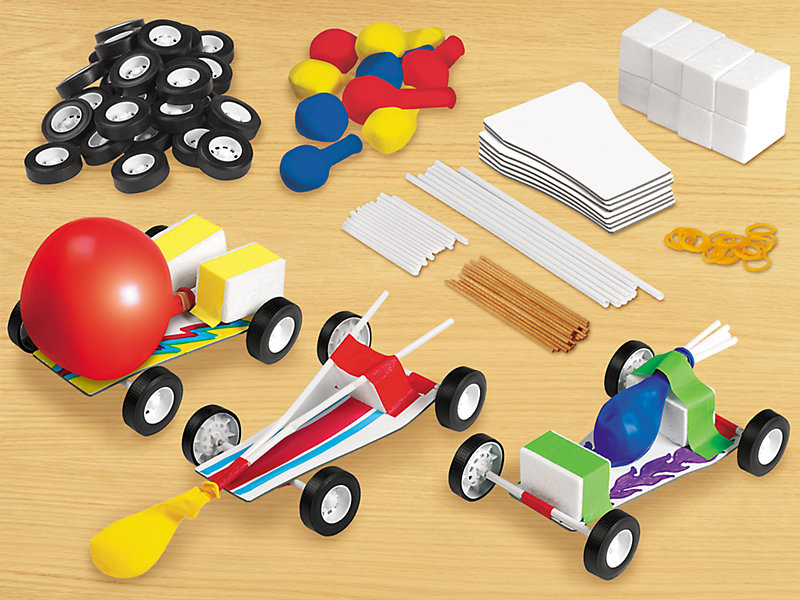
𝗧𝗵𝗲 𝗦𝗰𝗶𝗲𝗻𝗰𝗲 𝗕𝗲𝗵𝗶𝗻𝗱 DIY Cars
DIY cars blend engineering and creativity, powered by principles of physics, mechanics, and electronics. Building a DIY car involves understanding how forces interact—think friction, momentum, and aerodynamics—all of which affect speed and control. Engineers may also incorporate electrical systems, like simple circuits for headlights or even complex microcontrollers for automation. As creators assemble components from motors to gears, they gain hands-on experience in problem-solving, refining designs to optimize performance. This fusion of science and hands-on craftsmanship not only fuels innovation but also deepens knowledge of how cars function at their core.
October Edition
1st-3rd grade
𝗧𝗵𝗲 𝗦𝗰𝗶𝗲𝗻𝗰𝗲 𝗕𝗲𝗵𝗶𝗻𝗱 Popsicle stick harmonicas
Repeating May stem kits since it was a community favorite! Harmonicas made with paper and straws demonstrate principles of sound production and resonance. The vibrating reeds made from paper or straws produce sound waves when air flows over the,, similar to traditional metal reeds. The shape and size of the paper or straw reeds affect the pitch and timbre of the sound produced. This simple construction allows for hands-on exploration of acoustic physics, including how vibration frequency and air flow impact sound quality.

Sept. Edition
1st-3rd grade
𝗧𝗵𝗲 𝗦𝗰𝗶𝗲𝗻𝗰𝗲 𝗕𝗲𝗵𝗶𝗻𝗱 Catapult
Catapults are a classic example of physics in motion, relying on principles of energy, force, and trajectory. When a catapult is pulled back, potential energy is stored in the tension of the material (like a rubber band or twisted rope). Releasing the catapult transforms this stored energy into kinetic energy, launching the object forward. The angle of release and the force applied determine how far and high the projectile will travel, showcasing concepts of parabolic motion. By adjusting these factors, catapults demonstrate the effects of gravity, tension, and energy transfer in a tangible, interactive way.

August Edition
3rd-6th grade
𝗧𝗵𝗲 𝗦𝗰𝗶𝗲𝗻𝗰𝗲 𝗕𝗲𝗵𝗶𝗻𝗱 Invisible Ink
Lemon juice invisible ink works through a simple chemical reaction that reveals itself with heat. When you write with lemon juice on paper, the liquid dries clear because it’s mostly water with a bit of citric acid. However, when you heat the paper, the acidic compounds in the lemon juice break down and oxidize faster than the surrounding paper, turning brown and making your hidden message visible. This reaction shows how organic materials, like lemon juice, respond to heat by changing color, illustrating basic principles of oxidation and heat sensitivity.

June Edition
1st-3rd grade
𝗧𝗵𝗲 𝗦𝗰𝗶𝗲𝗻𝗰𝗲 𝗕𝗲𝗵𝗶𝗻𝗱 𝗦𝗽𝗼𝗻𝗴𝗲𝘀
Sponges possess a porous structure that allows them to absorb water through capillary action and surface tension. This absorption occurs due to the sponge’s interconnected network of channels and cavities, which efficiently draw in and retain liquid against gravity. When squeezed or compressed, sponges release the water they’ve absorbed, illustrating principles of fluid dynamics and material behavior. These properties make sponges effective tools for cleaning and absorbing moisture in various applications.

July Edition
1st-3rd grade
𝗧𝗵𝗲 𝗦𝗰𝗶𝗲𝗻𝗰𝗲 𝗕𝗲𝗵𝗶𝗻𝗱 𝗣𝗮𝗽𝗲𝗿 𝗥𝗼𝗰𝗸𝗲𝘁𝘀
Paper rockets operate on principles of physics involving Newton’s law of motion and aerodynamics, They are propelled by compressed air or by the release of stored elastic energy, demonstrating concepts of energy transfer and conservation. The shape and size of the rocket affect its flight path, showcasing principles of stability and drag. Overall, paper rockets provide a hands-on way to explore fundamental scientific concepts related to forces, motion, and flight dynamics.

May Edition
3rd-6th grade
𝗧𝗵𝗲 𝗦𝗰𝗶𝗲𝗻𝗰𝗲 𝗕𝗲𝗵𝗶𝗻𝗱 𝗛𝗮𝗿𝗺𝗼𝗻𝗶𝗰𝗮𝘀
Harmonicas made with paper and straws demonstrate principles of sound production and resonance. The vibrating reeds made from paper or straws produce sound waves when air flows over them, similar to traditional metal reeds. The shape and size of the paper or straw reeds affect the pitch and timbre of the sound produced. This simple construction allows for hands-on exploration of acoustic physics, including how vibration frequency and air flow impact sound quality.
April Edition
3th-6th grade
𝗧𝗵𝗲 𝗦𝗰𝗶𝗲𝗻𝗰𝗲 𝗕𝗲𝗵𝗶𝗻𝗱 𝗠𝗶𝗻𝗶 𝗩𝗼𝗹𝗰𝗮𝗻𝗼𝗲𝘀
Are you wondering how mini volcanoes work? Brace yourself for this amazing explosion of science! These tiny wonders erupt due to the combination of baking soda and vinegar. When these two substances interact, they release carbon dioxide gas, creating the fun bubbles that mimic the flowing lava of a volcanic eruption! How cool is that!

March Edition
1st-3rd grade
𝗧𝗵𝗲 𝗦𝗰𝗶𝗲𝗻𝗰𝗲 𝗕𝗲𝗵𝗶𝗻𝗱 𝗦𝗶𝗱𝗲𝘄𝗮𝗹𝗸 𝗖𝗵𝗮𝗹𝗸
Have you ever wondered how sidewalk chalk works? Well, you’re in luck! When we drag sidewalk chalk against the ground it produces tiny particles that stick to the coarse surface of concrete. When light shines on these particles, it counces back allowing us to see the fascinating colors in particles we just drew.

Feb. Edition
1st-3rd grade
𝗧𝗵𝗲 𝗦𝗰𝗶𝗲𝗻𝗰𝗲 𝗕𝗲𝗵𝗶𝗻𝗱 𝗢𝗼𝗯𝗹𝗲𝗰𝗸
Oobleck is a substance that weirdly behaves like both a liquid and a solid! When you light touch or pick up oobleck, it acts as a liquid, flowing smoothly. But, if you squeeze it or hit it, it turns solid! This fascinating transformation happens because of the unique properties of a mixture of cornstarch and water in oobleck.

January Edition
3rd-6th grade
𝗧𝗵𝗲 𝗦𝗰𝗶𝗲𝗻𝗰𝗲 𝗕𝗲𝗵𝗶𝗻𝗱 𝗦𝗮𝗹𝘁 𝗖𝗿𝘆𝘀𝘁𝗮𝗹𝘀
Ever wondered how salt crystals are made? Well, let’s adventure into the world of salt crystals – they’re more magical than you might think! These crystals love to stick together and form all sorts of shapes. Sometimes, they’re like shiny diamonds, and other times, they’re like mini ice cubes. So, grab your kit and do some magic! You’ve got yourself a batch of sparkly salt crystals, ready to dazzle and amaze. Who knew science could be so sparkly and fun?
